
Roadmap
PHASE 1 - COMMISSIONING
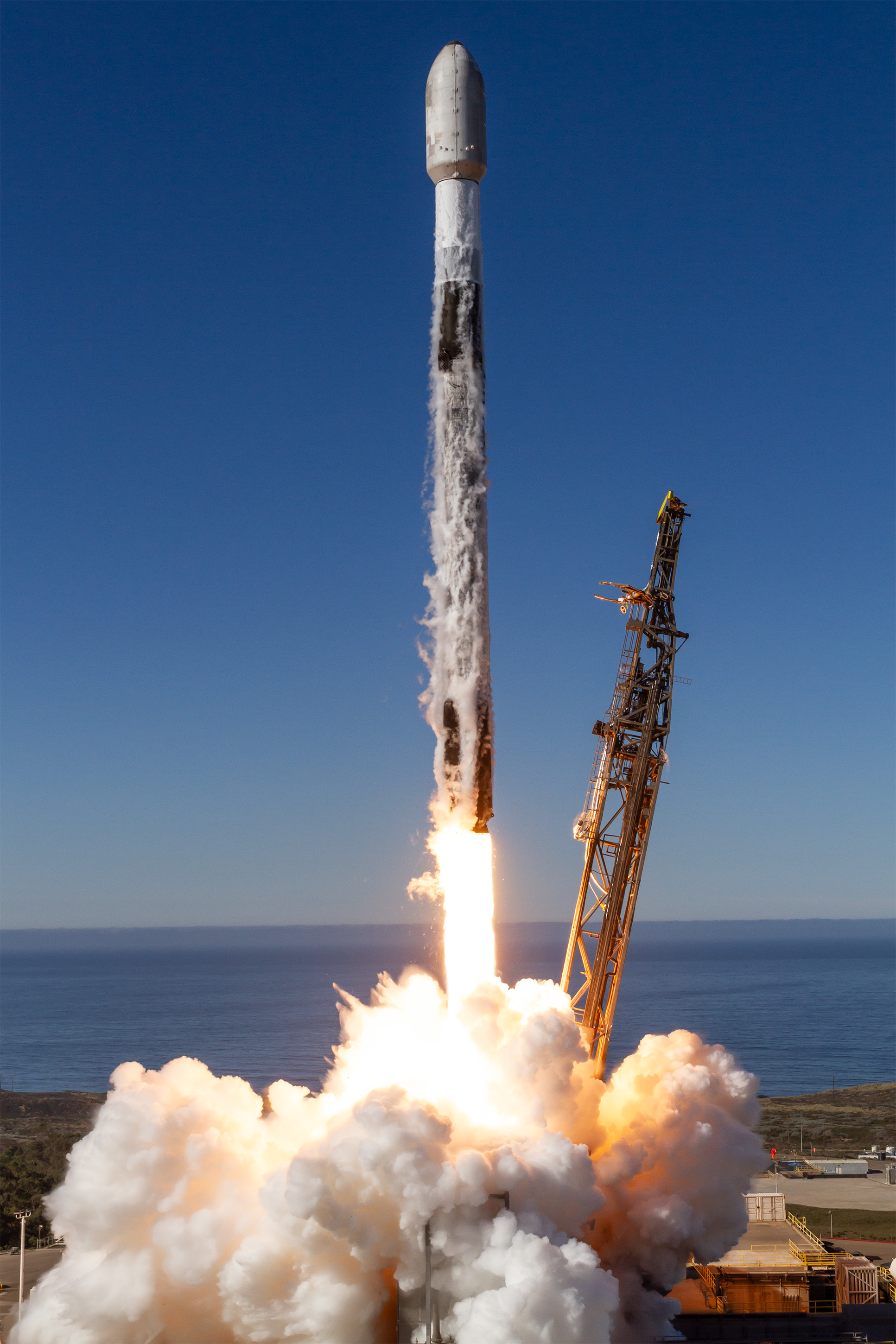
As soon as ION SCV Stellar Stephanus reaches orbit, our spacecraft operations engineers will establish a bidirectional communication channel and start the launch and early orbit phase (LEOP), neutralizing the rotation imparted by the launch vehicle during separation, correcting the attitude, testing the satellites' subsystems, and preparing for the next phases.
PHASE 2 - COMMERCIAL PHASE, HOSTED PAYLOAD DEMONSTRATION
Once concluded the commissioning phase, ION SCV Stellar Stephanus will start the commercial phase of the mission, which will consist in the deployment of the hosted satellites and the in-orbit demonstration of the third-party payloads hosted onboard. For this mission, ION will deploy five satellites and perform three in-orbit demonstrations of hosted payloads.
PHASE 3 - DECOMMISSIONING
At the end of the mission, the platform will join the fleet of IONs already in orbit and operated by the company. At the end of its life, the spacecraft will be decommissioned in compliance with the Space Debris Mitigation guidelines. The pressure vessels will be depleted from leftover fuel and oxidizer, the battery charging system will be deactivated, and the batteries will be completely discharged. The spacecraft, now inert, will enter a decommissioning trajectory that will bring it to burn up upon atmospheric re-entry within a few years.
Other missions
Wayfinder, March 2026

Ride With Me, November 2025

Skytrail, June 2025

Space Bound, June 2025

Wish Upon a Star, March 2025
Endless Sky, January 2025
Ascend, January 2025
Celestial Bliss, August 2024
Beyond, December 2023
Cosmic Wander, November 2023
Above the Sky, June 2023
Guardian, April 2023

Starfield, January 2023
Second Star to the Right, January 2023
Infinite Blue, May 2022
Spacelust, April 2022
Dashing Through The Stars, January 2022

Wild Ride, June 2021
Pulse, January 2021
Origin, September 2020